We've uncovered the article pertaining to Why is My Home Making Strange Plumbing Noises directly below on the web and thought it made good sense to discuss it with you on this page.
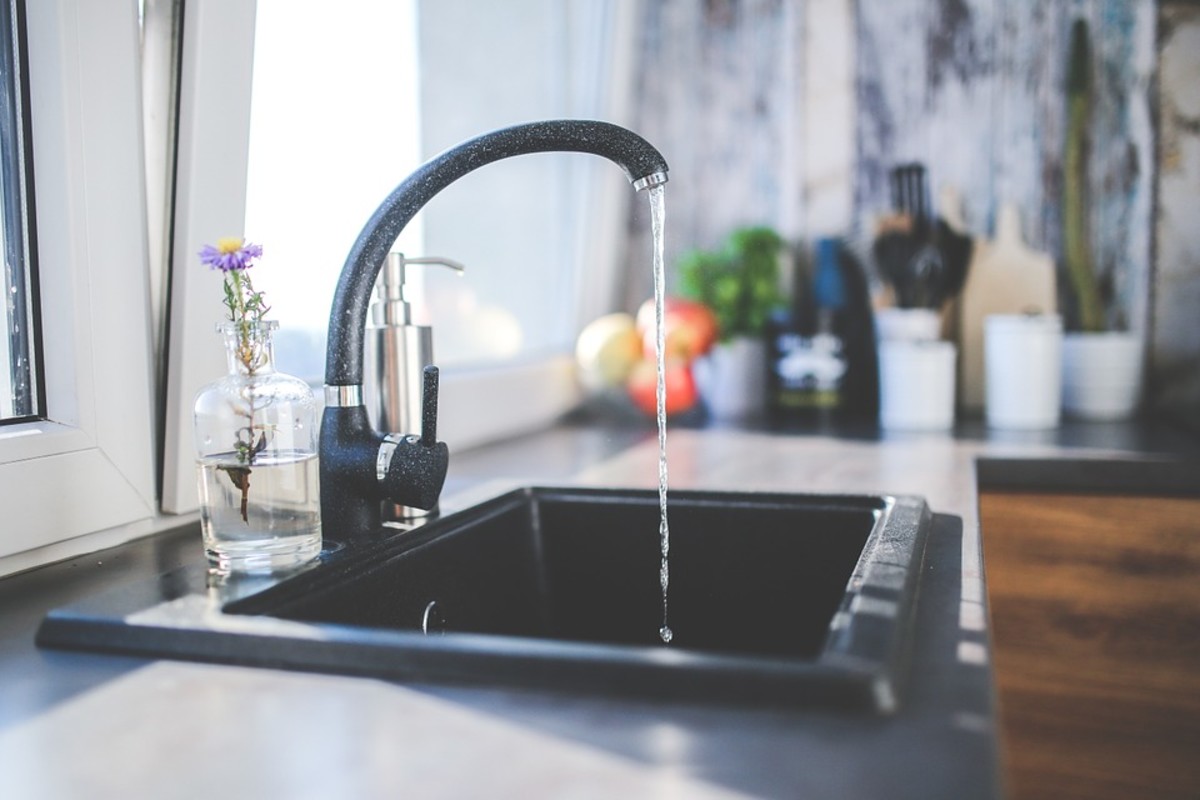
To identify noisy plumbing, it is essential to identify first whether the undesirable noises take place on the system's inlet side-in other words, when water is turned on-or on the drainpipe side. Noises on the inlet side have actually varied reasons: extreme water stress, worn valve and also faucet parts, incorrectly connected pumps or various other appliances, inaccurately placed pipe fasteners, and also plumbing runs including way too many tight bends or other limitations. Sounds on the drain side generally stem from poor area or, as with some inlet side noise, a format consisting of limited bends.
Hissing
Hissing sound that occurs when a faucet is opened slightly typically signals too much water stress. Consult your neighborhood water company if you believe this problem; it will have the ability to inform you the water pressure in your area and also can set up a pressurereducing valve on the inbound water supply pipe if needed.
Various Other Inlet Side Noises
Creaking, squealing, scraping, snapping, as well as touching generally are brought on by the growth or contraction of pipelines, generally copper ones providing warm water. The audios happen as the pipelines slide against loosened fasteners or strike nearby residence framing. You can often pinpoint the place of the issue if the pipes are revealed; simply adhere to the audio when the pipelines are making sounds. Most likely you will certainly uncover a loosened pipeline wall mount or an area where pipelines exist so close to flooring joists or various other framing items that they clatter against them. Attaching foam pipe insulation around the pipelines at the point of contact must treat the problem. Make sure straps as well as hangers are safe as well as supply adequate support. Where possible, pipe bolts should be connected to enormous architectural aspects such as foundation wall surfaces rather than to mounting; doing so lessens the transmission of vibrations from plumbing to surfaces that can intensify and transfer them. If attaching bolts to framework is inevitable, cover pipelines with insulation or various other resilient material where they contact bolts, as well as sandwich the ends of brand-new bolts between rubber washing machines when mounting them.
Dealing with plumbing runs that struggle with flow-restricting limited or many bends is a last resource that should be carried out only after consulting a proficient plumbing service provider. Unfortunately, this circumstance is fairly typical in older residences that may not have been built with indoor plumbing or that have actually seen numerous remodels, particularly by beginners.
Babbling or Shrieking
Intense chattering or screeching that takes place when a shutoff or tap is activated, which normally disappears when the fitting is opened completely, signals loose or faulty internal parts. The solution is to change the valve or tap with a new one.
Pumps and also appliances such as cleaning devices and also dishwashing machines can move electric motor sound to pipelines if they are incorrectly attached. Connect such products to plumbing with plastic or rubber hoses-never inflexible pipe-to isolate them.
Drainpipe Noise
On the drainpipe side of plumbing, the principal objectives are to remove surfaces that can be struck by dropping or rushing water and also to protect pipes to contain unavoidable noises.
In new building, tubs, shower stalls, bathrooms, as well as wallmounted sinks as well as basins should be set on or versus resilient underlayments to decrease the transmission of sound through them. Water-saving bathrooms and faucets are much less loud than standard designs; install them rather than older types even if codes in your location still allow utilizing older components.
Drainpipes that do not run vertically to the cellar or that branch right into straight pipe runs sustained at floor joists or other mounting present especially problematic noise issues. Such pipelines are big enough to radiate substantial resonance; they also carry significant quantities of water, that makes the situation even worse. In brand-new building, define cast-iron dirt pipelines (the large pipelines that drain toilets) if you can afford them. Their massiveness contains a lot of the noise made by water passing through them. Also, prevent routing drainpipes in wall surfaces shared with bedrooms and spaces where individuals gather. Wall surfaces containing drainpipes need to be soundproofed as was explained previously, using dual panels of sound-insulating fiber board as well as wallboard. Pipes themselves can be covered with unique fiberglass insulation created the objective; such pipelines have a resistant vinyl skin (occasionally containing lead). Outcomes are not constantly satisfactory.
Thudding
Thudding sound, frequently accompanied by shuddering pipes, when a tap or appliance valve is shut off is a problem called water hammer. The noise as well as vibration are caused by the resounding wave of stress in the water, which unexpectedly has no place to go. In some cases opening a shutoff that discharges water promptly right into an area of piping including a limitation, arm joint, or tee installation can produce the exact same problem.
Water hammer can usually be cured by installing installations called air chambers or shock absorbers in the plumbing to which the trouble shutoffs or faucets are linked. These tools allow the shock wave developed by the halted flow of water to dissipate airborne they consist of, which (unlike water) is compressible.
Older plumbing systems might have short vertical areas of capped pipe behind walls on faucet competes the exact same function; these can at some point fill with water, reducing or destroying their efficiency. The treatment is to drain pipes the water system totally by shutting down the primary supply of water valve as well as opening up all faucets. After that open the main supply valve and close the faucets individually, starting with the faucet nearest the valve as well as ending with the one farthest away.
3 Most Common Reasons for Noisy Water Pipes
Water hammer
When water is running and is then suddenly turned off, the rushing liquid has no place to go and slams against the shut-off valve. The loud, thudding sound that follows is known as a water hammer. Besides being alarming, water hammer can potentially damage joints and connections in the water pipe itself. There are two primary methods of addressing this issue.
Check your air chamber. An air chamber is essentially a vertical pipe located near your faucet, often in the wall cavity that holds the plumbing connected to your sink or tub. The chamber is filled with air that compresses and absorbs the shock of the fast moving water when it suddenly stops. Unfortunately, over time air chambers tend to fill with water and lose their effectiveness. To replenish the air chambers in your house you can do the following. Turn off the water supply to your house at the main supply (or street level). Open your faucets to drain all of the water from your plumbing system. Turn the water back on. The incoming water will flush the air out of the pipes but not out of the vertical air chamber, where the air supply has been restored. Copper pipes
Copper pipes tend to expand as hot water passes through and transfers some of its heat to them. (Copper is both malleable and ductile.) In tight quarters, copper hot-water lines can expand and then noisily rub against your home's hidden structural features — studs, joists, support brackets, etc. — as it contracts.
One possible solution to this problem is to slightly lower the temperature setting on your hot water heater. In all but the most extreme cases, expanding and contracting copper pipes will not spring a leak. Unless you’re remodeling, there's no reason to remove sheetrock and insert foam padding around your copper pipes.
Water pressure that’s too high
If your water pressure is too high, it can also cause noisy water pipes. Worse, high water pressure can damage water-supplied appliances, such as your washing machine and dishwasher.
Most modern homes are equipped with a pressure regulator that's mounted where the water supply enters the house. If your home lacks a regulator, consider having one professionally installed. Finally, remember that most plumbers recommend that water is delivered throughout your home at no lower than 40 and no greater than 80 psi (pounds per square inch).
Whatever the state of your plumbing, one thing is certain — you’re eventually going to encounter repair and replacement issues around your home that require professional help. That’s where American Home Shield can come to your aid.
https://www.ahs.com/home-matters/repair-maintenance/causes-of-noisy-water-pipes/
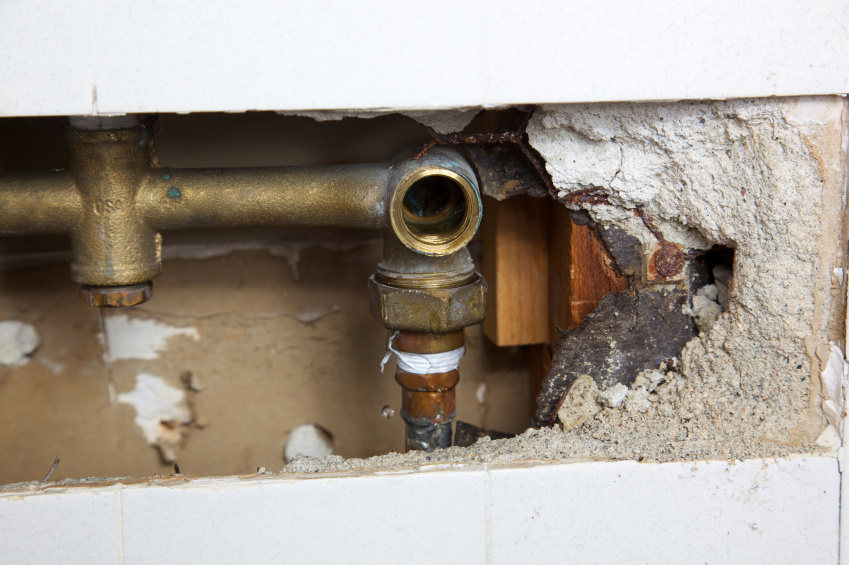
I was made aware of that article about Why Do My Plumbing Pipes Make A Knocking Noise through an associate on our other site. Are you aware of somebody else who is interested in the niche? Why not promote it. We thank you for reading our article about Diagnose Unwanted Plumbing Noises.
Visit